Fungiares are fungi “forests”. Tall fungi abound instead of trees. As improbable as “tall fungi” may sound, they are inspired by the real-life extinct prototaxites.
The Longa Fungiare is replete with towering blue prototaxites. And towering above all the other prototaxites is the Ruminalis. This giant fungus guided Sacred Mother Lupa, an ancient Luperci (wolf-like anthropomorphic species), to settle in the region. She then founded the Luperci town of Alba in the middle of the fungiare. This historic event transformed the Luperci from a nomadic race into a rooted community that grew into the dominating species of the region.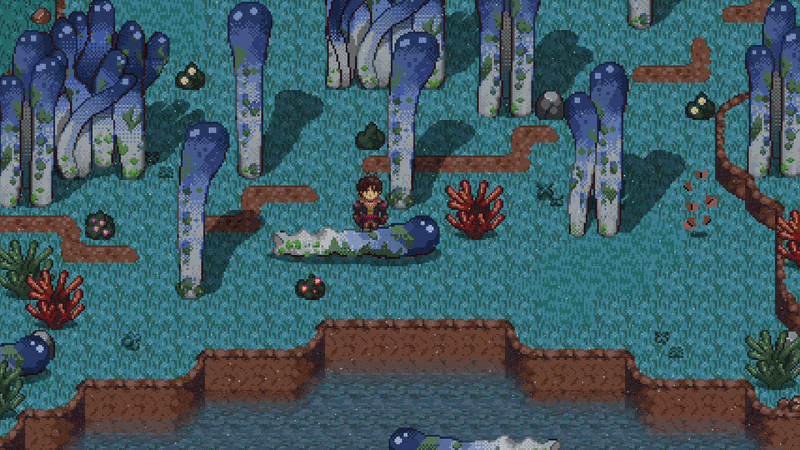
These towering fungi, combined with the cloudy and temperate climate of the area, create an otherworldly biome full of spores with an introspective mood. Because there are no trees, there is no wood in the region. Instead, the Luperci rely on fungus and stone to craft their tools and weapons. This is why all the initial weapons of the game feature no wood handles, and they are all fungi-themed.
The name Longa is inspired by the real-life lost city of Alba Longa, believed to have been the Latin capital before it was destroyed by the Roman Empire. The prince brothers Romulus and Remus from Rome’s founding myth were believed to have been exiled princes of Alba Longa. And because the Luperci are very loosely inspired by the Ancient Latin League, so are the names of the region. And that is why the fungiare was named: The Longa Fungiare by the Luperci.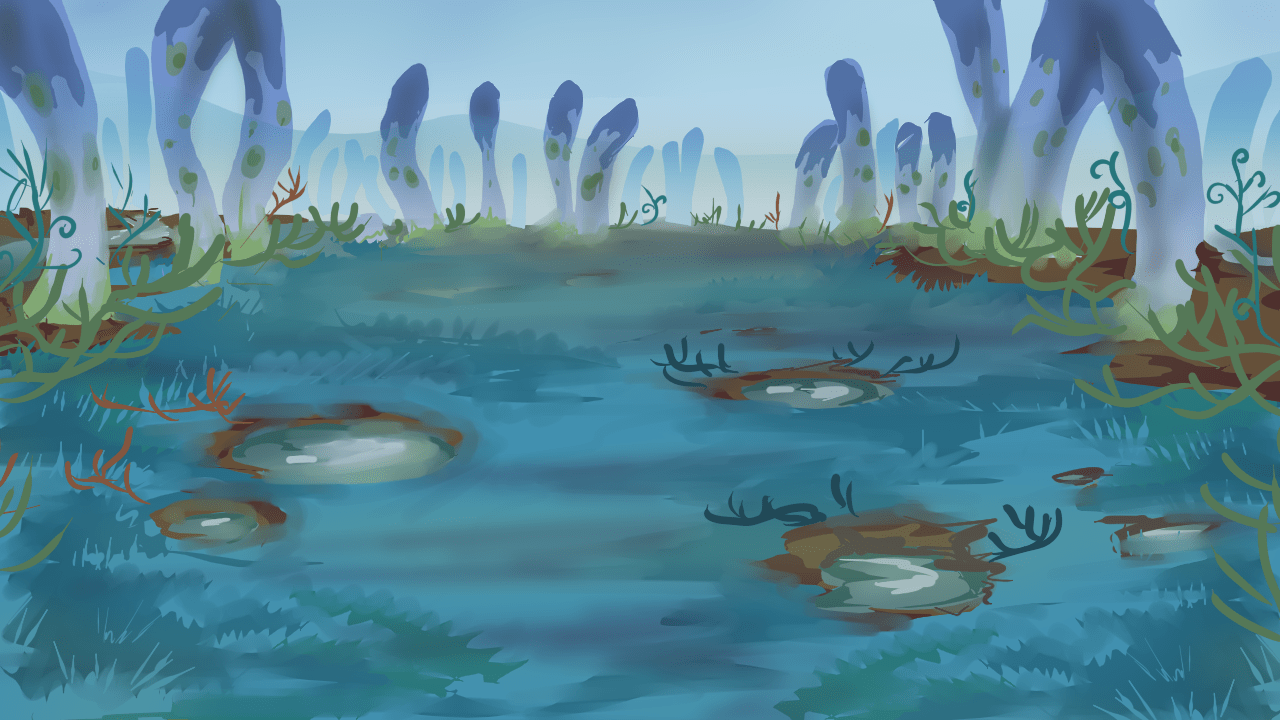
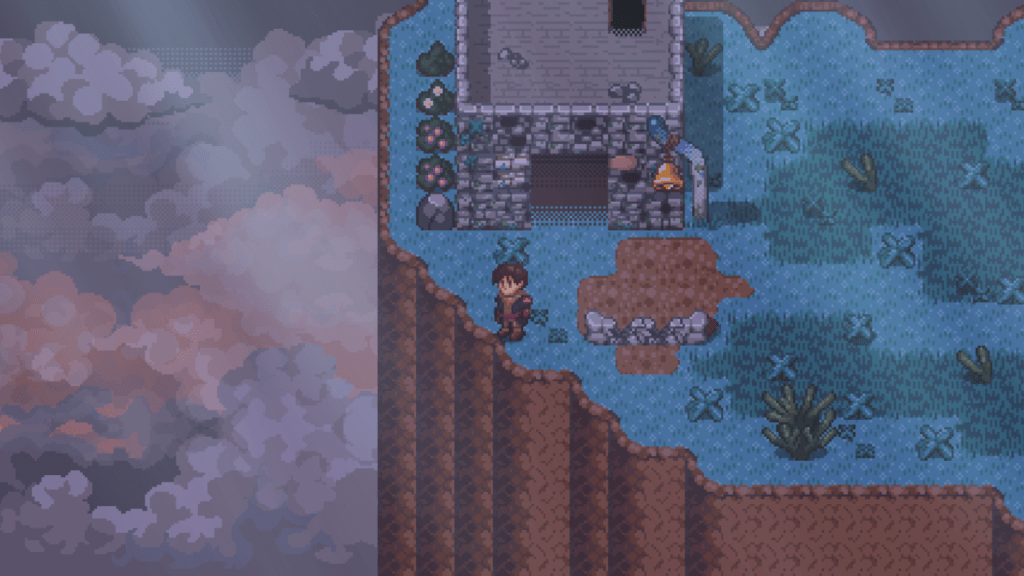
In the outskirts of the fungiare, far away from any trace of human civilization and atop a gloomy seaside cliff, Rey (Manafinder II’s protagonist) decided to rot away in secrecy as mankind ended.
It is in this very isolated, decrepit, makeshift stone house that the story of Manafinder II starts.